Yes, you can block Snapchat without deleting it. Screen Time's App Limits and Downtime lock the app in place without removing it, so your account, your friends and your streaks all survive — you just lose the ability to open it whenever the urge lands. Setup steps are below.
That distinction matters more on Snapchat than anywhere else, because of the streak. That little fire emoji turns casual messaging into a daily obligation, and deleting the app is the one move that actually costs you something. Blocking it does not.
The Real Reason Snapchat Is So Addictive
Snapchat isn't addictive by accident. The app was engineered from the ground up to maximize the time you spend inside it. Understanding the mechanics helps you fight back more effectively.
The streak system is the most obvious hook. Once you've maintained a streak for more than a week, losing it feels genuinely painful — a phenomenon psychologists call loss aversion. You're no longer opening Snapchat because you want to; you're opening it because you're afraid of what happens if you don't.
Beyond streaks, Snapchat uses variable reward scheduling — the same psychological mechanism that makes slot machines so compelling. Every time you open the app, you might find a Snap from a friend, a Story you haven't seen, or nothing at all. That unpredictability keeps your dopamine system permanently primed. You check again and again just in case.
Snapchat by the Numbers
The disappearing-content model creates urgency. Stories vanish in 24 hours. Snaps disappear after viewing. This engineered scarcity drives you to check constantly so you don't "miss" anything — even though most of what disappears is genuinely low-stakes.
The Hidden Cost of Snapchat Overuse
Most Snapchat users significantly underestimate how much time the app consumes. If you open Snapchat 30 times a day for an average of 4.5 minutes each session, that's over 2 hours per day — 14 hours per week, 730 hours per year. That's 30 full days of your life every single year spent on a single app.
Research published in the Journal of Social and Clinical Psychology found that limiting social media use to 30 minutes per day led to significant reductions in loneliness, depression, and anxiety after just three weeks. The same study found that participants who cut back reported better sleep and improved focus at work or school. We go through what the wider research actually supports in does quitting social media improve mental health.
The streak system in particular creates what researchers call compulsive usage — usage driven by anxiety about not using the app rather than genuine enjoyment of it. If you feel relief when you open Snapchat rather than pleasure, that's a sign the streak system has its hooks in you.
How to Block Snapchat Using Screen Time (Built-In)
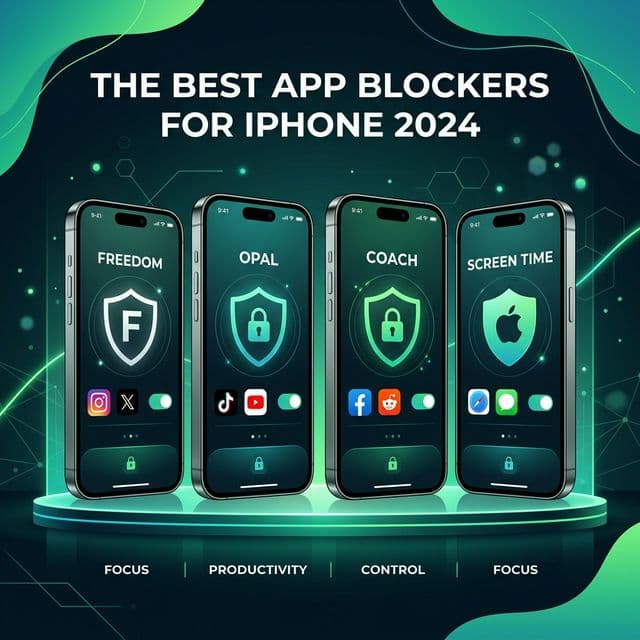
Apple's Screen Time feature can limit or fully block Snapchat without uninstalling it. Here's how to set it up:
Open Screen Time Settings
Set App Limits for Snapchat
Schedule Downtime
Block Snapchat Entirely with Content Restrictions
The Screen Time Loophole
Using RepUnlock to Block Snapchat (The Exercise Method)
RepUnlock takes a fundamentally different approach to blocking Snapchat. Instead of just locking the app until you enter a passcode, RepUnlock requires you to complete physical exercises before Snapchat becomes accessible. Want to check your Snaps? Do 20 push-ups first.
This works for several reasons. First, it creates meaningful friction — the kind that actually makes you pause and ask whether you really need to open Snapchat right now. Second, it replaces a bad habit (compulsive checking) with a good one (exercise). Third, because the cost of access is physical effort rather than just willpower, it's much harder to rationalize bypassing.
The front camera counts the reps and checks the form, so waving the phone around does nothing. It all happens on-device: no footage is uploaded, and nothing is stored. One rep is one minute of Snapchat, and when the minutes run out the cycle repeats.
You can also use RepUnlock's Lock-in: a head-to-head contract with one friend, where you agree in advance how long it runs and what the loser owes, and you can both see when the other goes live. That works because it turns a private struggle into something one specific person will notice.
Additionally, when you invite friends to RepUnlock, you can unlock premium features — meaning your social circle becomes part of your recovery system rather than part of the problem.
Managing FOMO: What to Tell Friends About Your Digital Limits
One of the biggest barriers to cutting back on Snapchat is social pressure. Your friends expect you to respond quickly. Streaks feel like social contracts. And if you go quiet for a day, people notice.
Here's the reality: most people respect digital boundaries more than you expect. You don't need to make a big announcement — but being honest with close friends helps. Try something like: "I'm trying to use my phone less, so I might be slower to respond on Snap. I'll still be around."
For streaks specifically: the friends who matter won't let a streak die because you're being intentional about your phone use. And if a friendship is entirely based on maintaining a Snapchat streak, it might be worth examining whether that's the kind of connection you want to invest in. If you are setting this up for a teenager rather than yourself, the conversation matters more than the settings — our guide to screen time for teens covers how to have it.
FOMO Is a Design Feature, Not a Feeling
Deleting Snapchat costs you the streak. Volt costs you a set of squats — he is on the shield when you open it early, and one rep hands back one minute.
Get RepUnlockPractical Tips for Reducing Snapchat Specifically
- Turn off all Snapchat notifications. Every ping is an invitation to open the app. Go to Settings → Notifications → Snapchat and disable everything.
- Remove Snapchat from your home screen. Put it in a folder on a back page so it's not the first thing you see when you unlock your phone.
- Set a "Snap window" — one specific time per day when you check and respond to Snaps. 6pm for 20 minutes, for example. This preserves your social connections without constant interruption.
- Replace the streak with a text message. If a streak really matters to you, maintain the connection through iMessage or WhatsApp — channels that don't have streak mechanics designed to manipulate you.
- Use grayscale mode on your iPhone (Settings → Accessibility → Display & Text Size → Color Filters) to make Snapchat's interface less visually stimulating.
The Bottom Line
Snapchat is one of the most carefully engineered addiction machines on the App Store. But you don't have to delete it to break its hold on you. By combining Screen Time limits, strategic notification management, and a meaningful blocker like RepUnlock, you can keep your social connections while reclaiming the hours Snapchat has been stealing.
The goal isn't to eliminate Snapchat — it's to use it on your terms rather than on the app's terms. Start with turning off notifications and setting a 30-minute daily limit. Give it a week. You might be surprised how little you actually miss.
Ready to take back control? Download RepUnlock on the App Store and start earning your Snapchat time through exercise. Also check out our guides on how to block Instagram and how to block TikTok for a complete social media detox plan.